By Scooter M. · Last updated August 31, 2026
To clean a chenille or microfiber doormat: shake or hose the dry grit out first, machine wash cold with regular detergent and no fabric softener, then tumble dry on low. Rubber mats are hosed and stood on edge to drain. Coir mats are shaken, beaten and vacuumed and must never be machine washed or soaked. The single most damaging mistake is fabric softener, which coats microfiber with a waxy film and permanently reduces how much water the mat can absorb.
Most mats that get thrown away are not worn out. They are full - loaded with fine grit and oils that have collapsed the pile - and a proper wash brings most of them back. Knowing the right procedure for the material is the difference between a mat that lasts years and one that gets replaced every season.
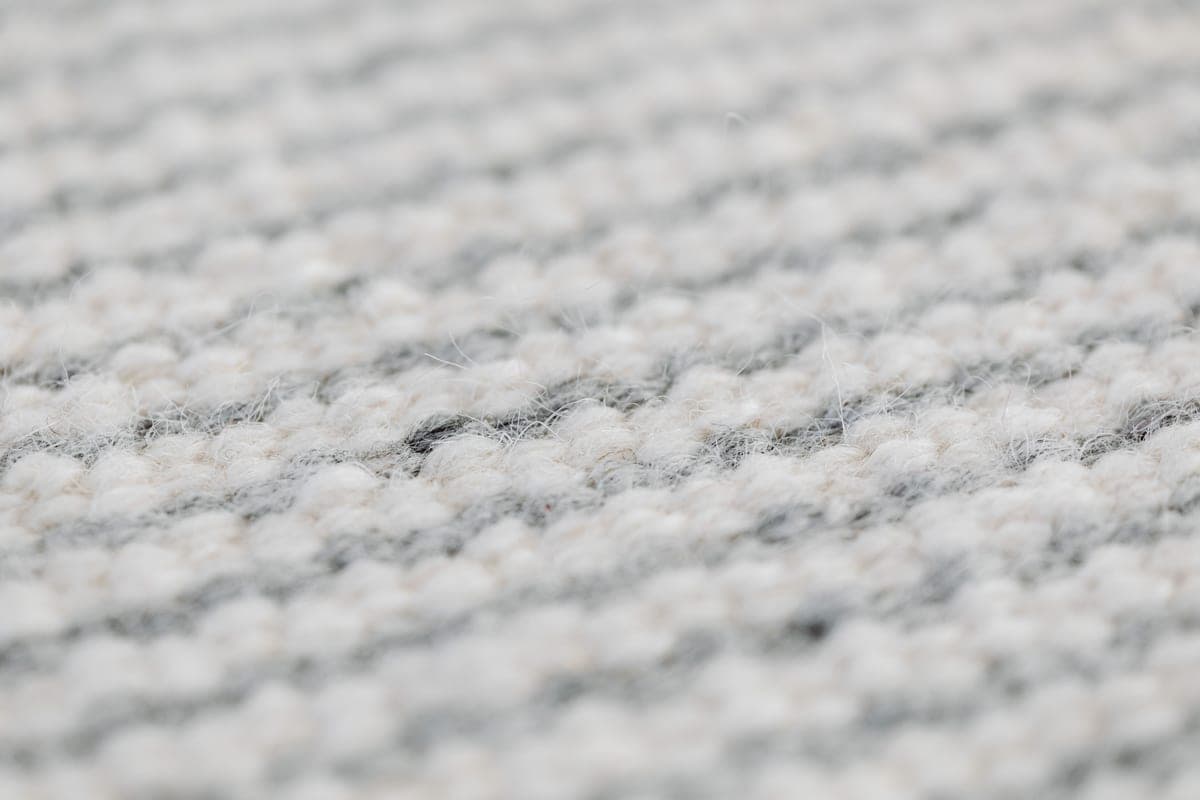
Chenille and microfiber mats
- Shake it out, hard, outside. Chenille holds dry grit as effectively as it holds water. Washing a loaded mat sends that mud into your drum and straight back into the pile.
- For a badly loaded mat, hose it first and let the worst run out before it goes anywhere near the machine.
- Machine wash cold. Gorilla Grip specifies cold explicitly. Hot water is what damages rubber and TPR backings and makes them brittle.
- Regular detergent, no bleach. Bleach degrades both the fiber and the backing.
- No fabric softener. Ever. This is the rule that matters most - see below.
- Tumble dry low, or air dry flat. High heat cracks the backing. If air drying, lay it flat or hang it so both faces get air.
- Do not dry clean. The solvents attack the backing.
Rubber mats
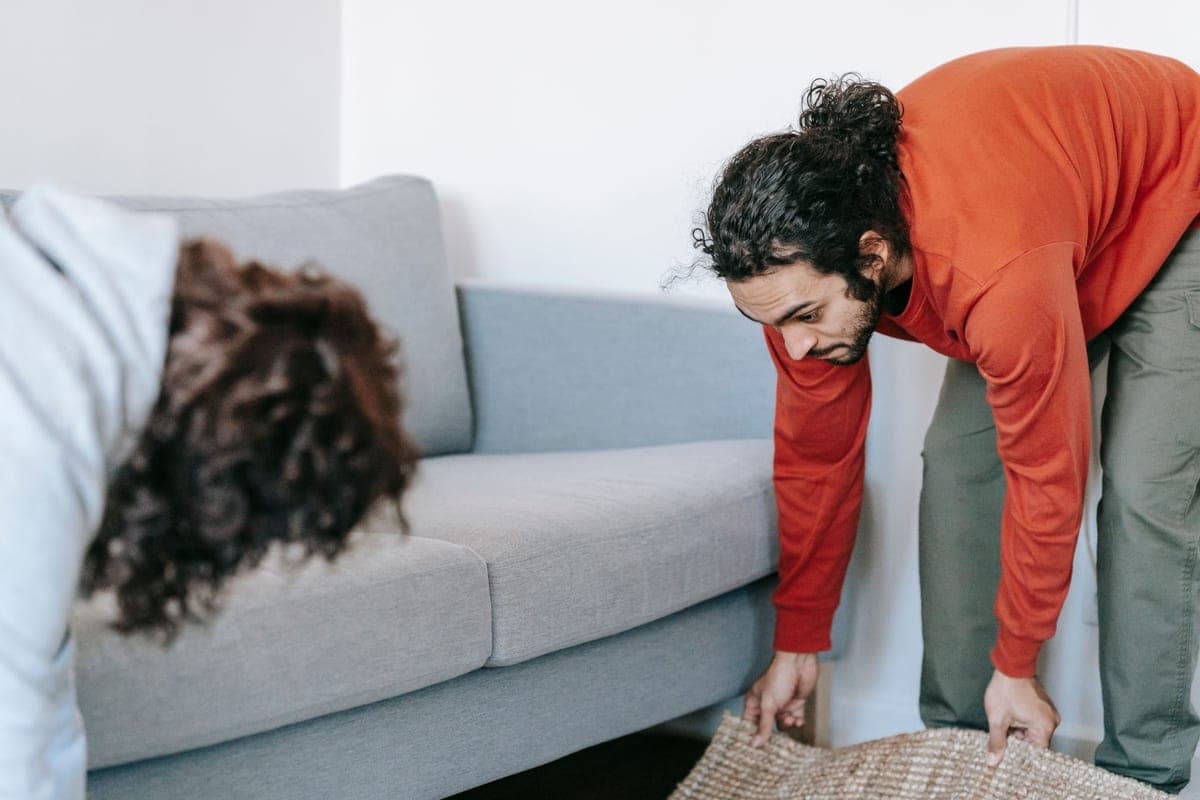
- Lift and sweep underneath first - trapped grit under a rubber mat is what scratches the floor beneath it.
- Hose both sides. A stiff brush and dish soap for stubborn residue; nothing more aggressive is needed.
- For road salt, rinse thoroughly with plain water rather than just brushing. Salt is hygroscopic and dried residue keeps pulling moisture back.
- Stand it on edge to drain and dry. Laying a wet rubber mat flat traps water underneath and, indoors, that water sits on your floor.
- Never machine wash a rubber mat. It will not fit, it will not benefit, and the weight can genuinely damage a domestic machine.
Coir mats - do not wash these
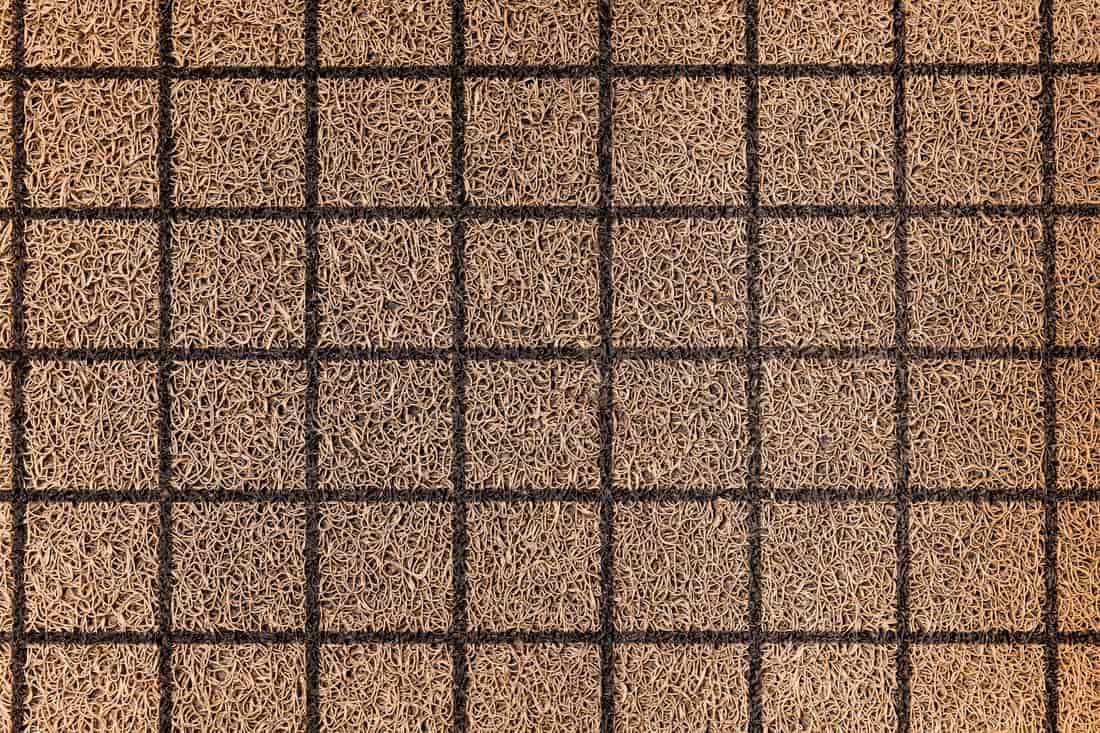
Coconut fiber is organic and water breaks it down. Soaking a coir mat softens the fiber, loosens the woven backing, and takes it from a scraper to a doormat-shaped object that sheds. The full procedure is in how to clean a coir doormat, and it is short: shake, beat, vacuum, and let it dry between wettings.
How often
- Shake or vacuum weekly. This is the maintenance that actually keeps a mat working, and almost nobody does it.
- Wash when it stops absorbing, not on a schedule. A chenille mat that has gone flat and slick underfoot is telling you it is full.
- Lift and sweep underneath weekly, regardless of material. Grit under a mat is being ground into your floor.
- In a salt region, rinse more often through winter. Dried salt residue transfers straight back onto the next pair of boots.
Signs a mat is genuinely finished
The backing is the honest indicator, not the pile. Once a rubber or TPR backing has gone hard, cracked, or started separating from the fabric, the mat will not lie flat, will slide, and will trap grit against the floor beneath it. That is a mat to replace.
A flattened pile on an intact backing is usually just a dirty mat. Wash it properly - shaken out first, cold, no softener - and see what comes back before you buy another one.
Questions people ask
How do you clean a doormat?
Can you put a doormat in the washing machine?
Why can't you use fabric softener on a door mat?
How often should you clean a door mat?
When should I replace a doormat instead of washing it?
Sources
About the author
Scooter M.
An enthusiast who is genuinely into this. I read the manuals, compile the published specs, and do the math on door clearances. No lab coat, no test bench, and nothing here is a product I have used - which is exactly why every claim carries a source.
Published by Slate Mill Group, with the Mud & Mat team. Published August 31, 2026; last updated August 31, 2026. Editorial policy.
Read next
Coir Care
How to clean a coir doormat
Shake, beat, vacuum - and the three things that will destroy a coir mat in one afternoon.
Best Absorbent Mat
Best absorbent chenille door mats
Density in GSM, drying speed and backing durability - the three specs that separate chenille that lasts from chenille that flattens.
Cleanability
Washable vs hoseable mats
Machine washable or hoseable - decided by the routine your household will realistically keep up.
Hardwood Guide
Mats for hardwood floors
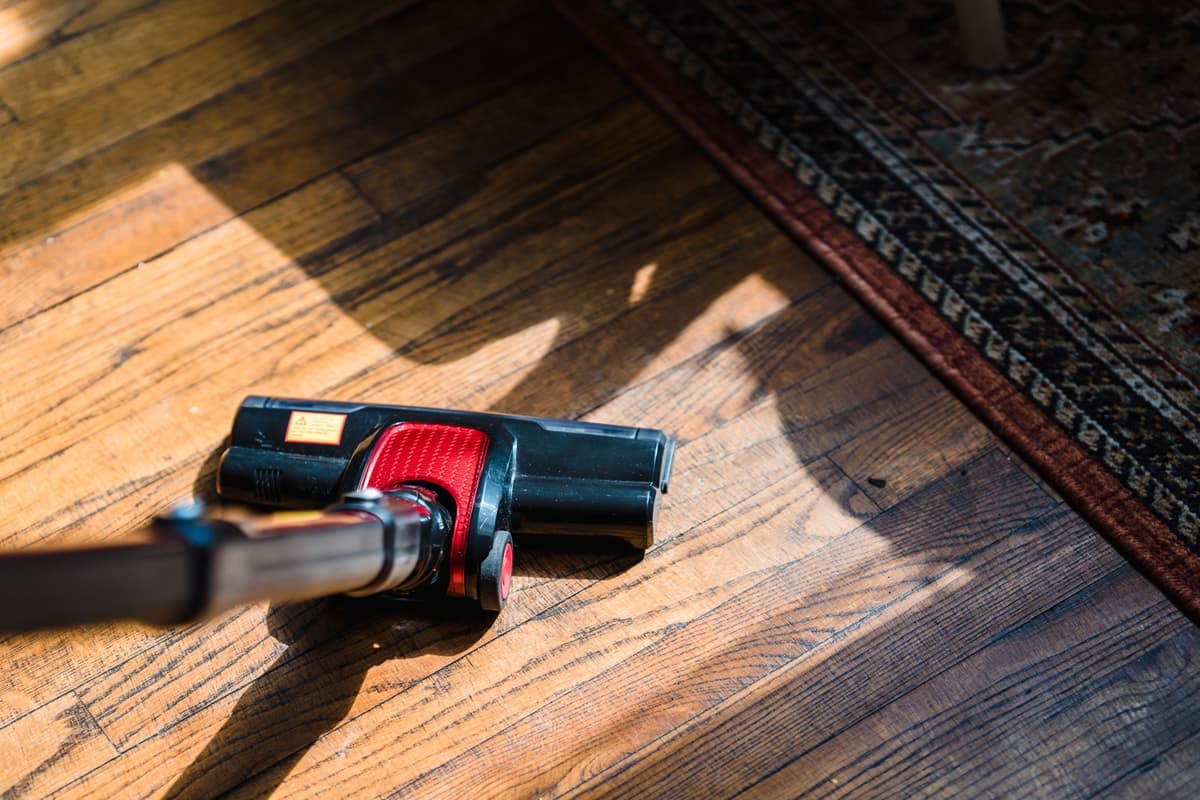
Standing water and trapped grit - the two ways a mat damages the floor it was bought to protect.