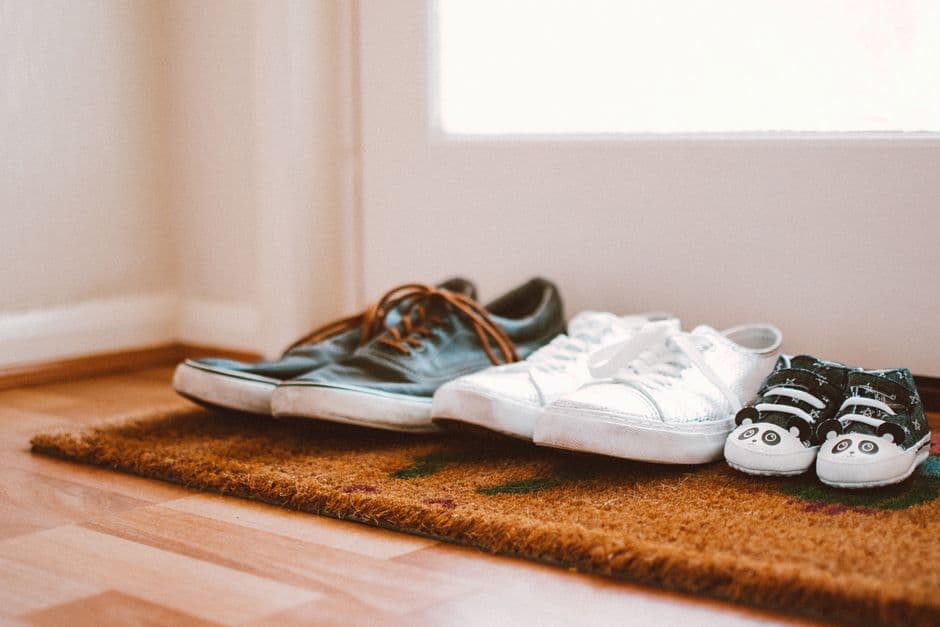
Every product page on this site rests on a small number of facts that are surprisingly hard to find anywhere: how much clearance a door actually has, what a given fiber does when it gets wet, how much walk-off distance you need before a mat stops mattering, and what road salt does to a finished floor. These guides are where those facts live, with their sources attached.
They are also, deliberately, the pages we would want to read before spending money. A roundup tells you which product to buy. A guide tells you whether you are solving the right problem - and in this category the wrong problem is extremely common. People buy a bigger mat when the actual issue is that the mat is in the door swing, or a more absorbent mat when the mess arriving is dry grit that needs scraping instead.
Start here if you are not sure what to fix
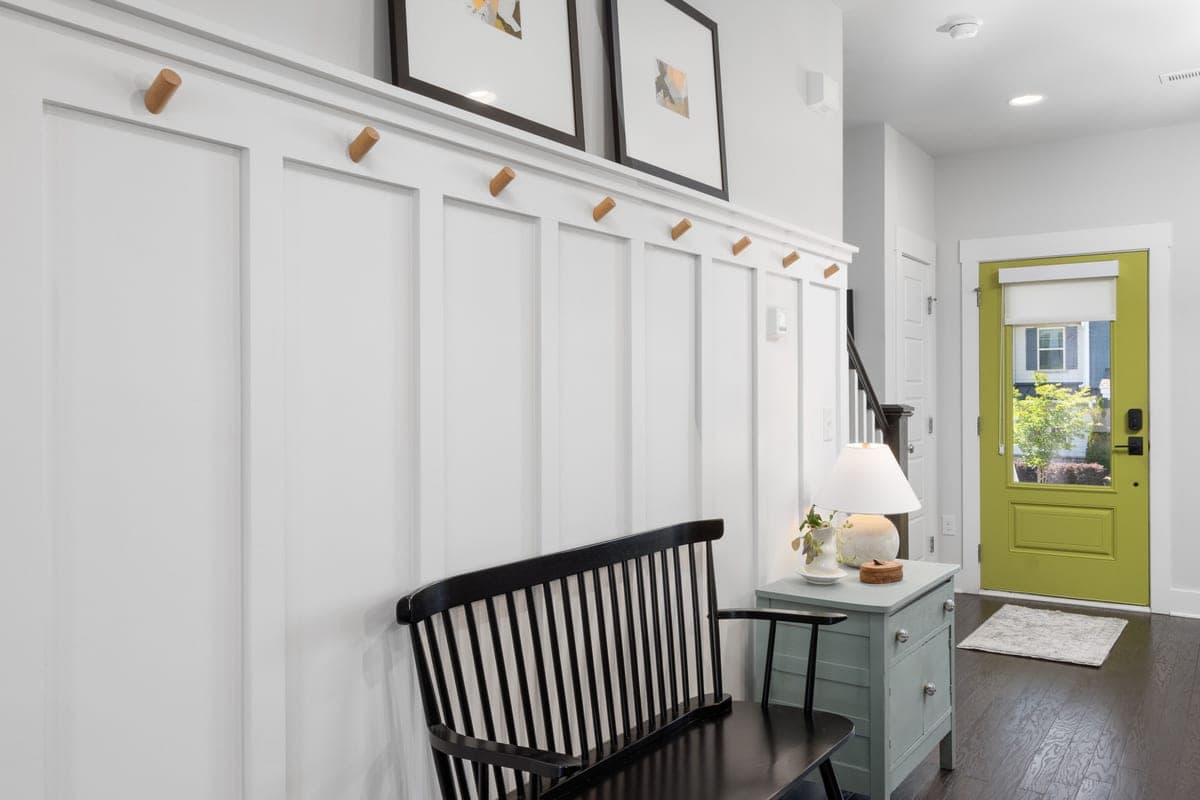
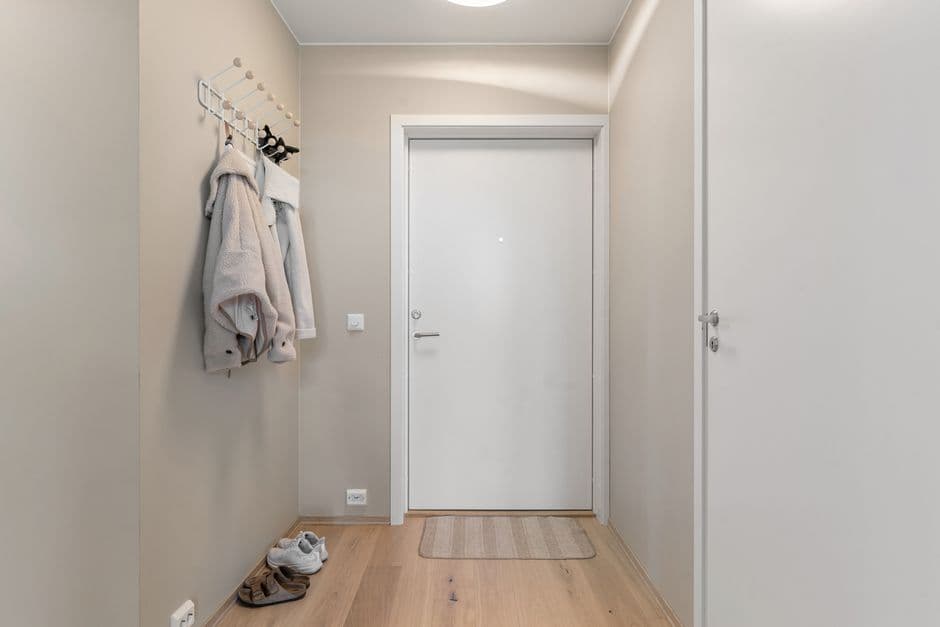
How to keep dirt out of the house is the top of the funnel: it works through the whole entry as a sequence rather than as a shopping list, and it is the right first read if the situation is simply that your hallway is always dirty and you do not know which part to attack.
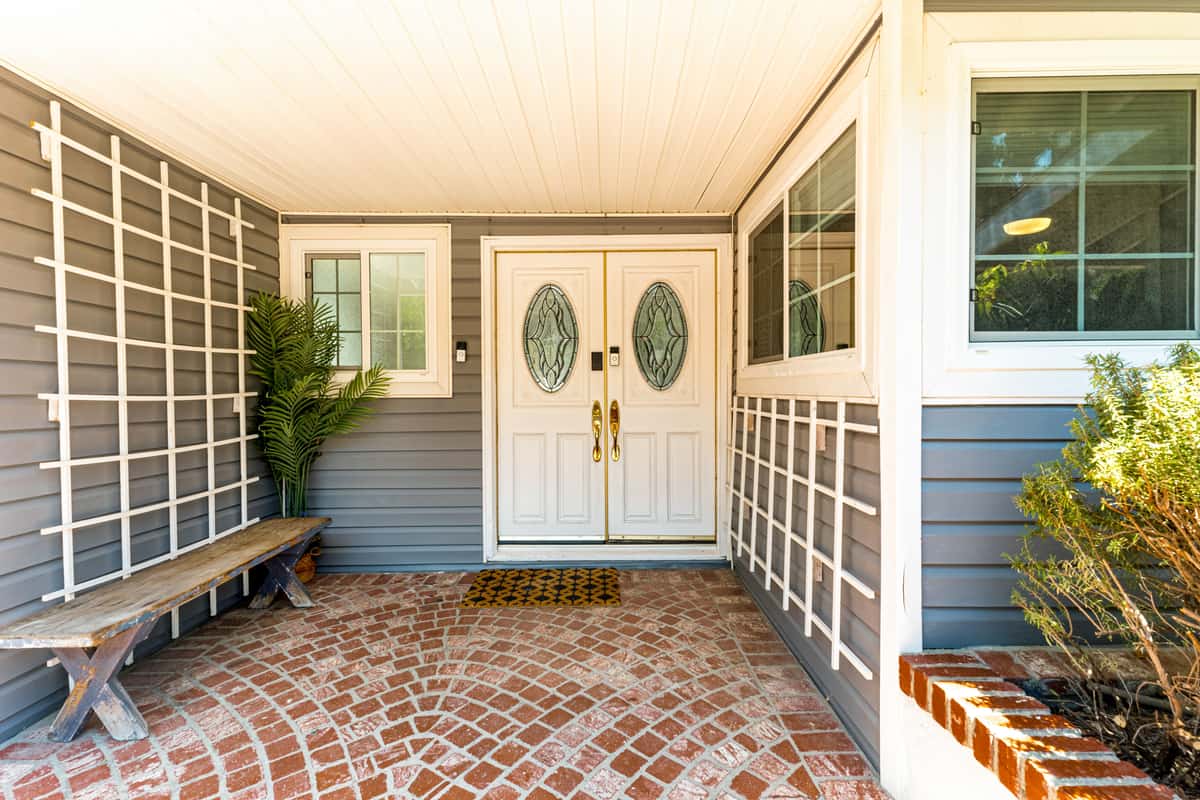
Layered entryway defense is the concept behind this entire site. Commercial buildings run a three-zone matting system - scrape, scrape-and-wipe, finish - sized in feet of walk-off, and industry guidance puts a full system at ten to fifteen feet to stop the large majority of tracked-in soil. That does not fit in a house. The guide is about scaling it down honestly.
The measurement guides
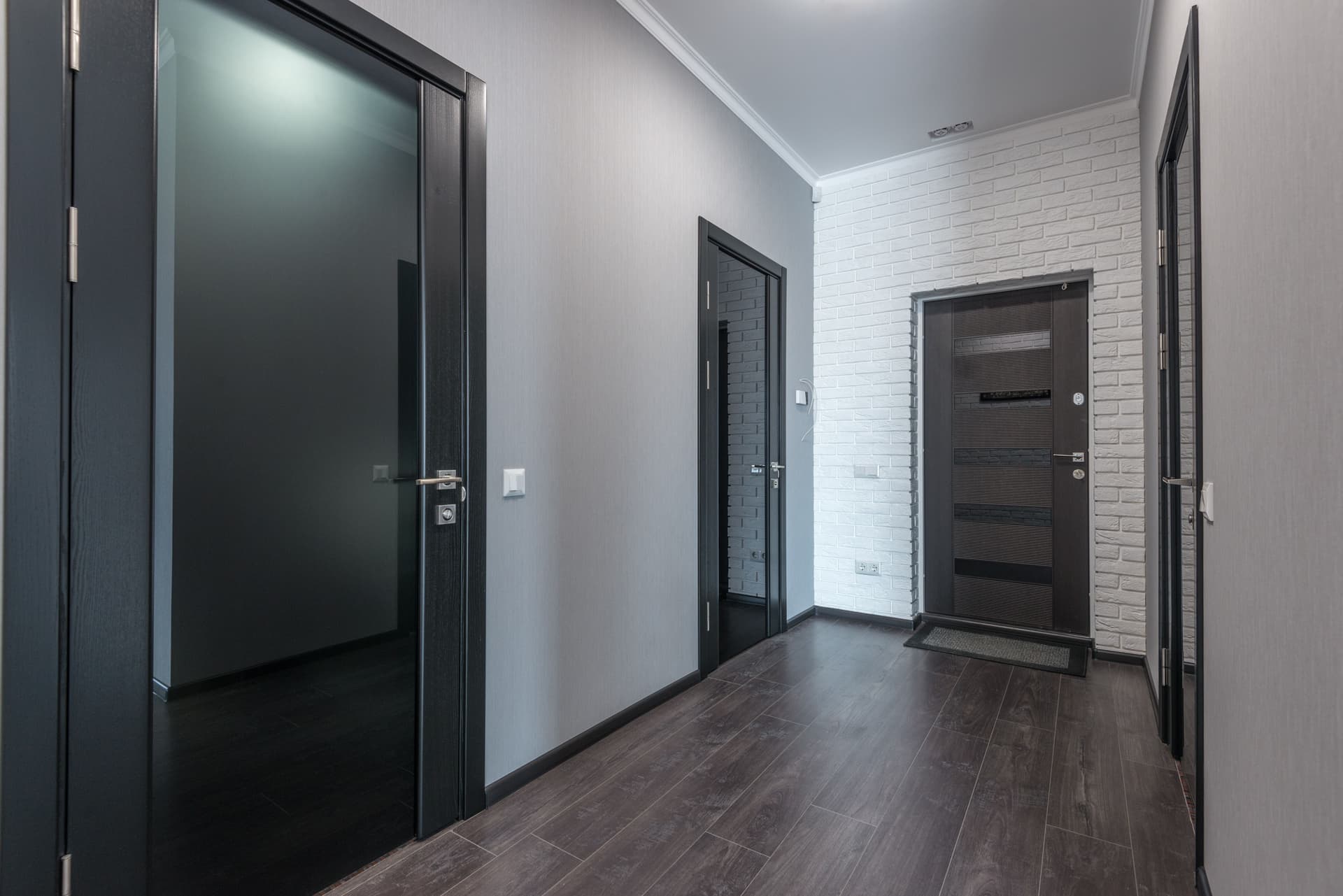
Low-profile mats and door clearance is the page we are proudest of and the one nobody else publishes. A standard interior door is hung with roughly half an inch to three-quarters of an inch of clearance above the finished floor, with NFPA 80 limiting fire-rated doors to three-quarters of an inch. We put the published mat thicknesses next to those gaps so you can answer the fit question before you buy. Most of the category does not publish a thickness at all, and that absence is itself part of the finding.
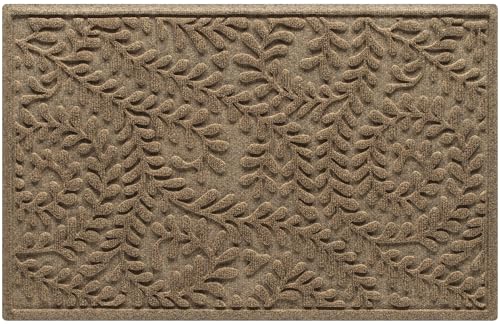
Entryway mat sizing covers the other measurement problem - how long a mat has to be to intercept a full stride, why runner sizes beat square mats for dog households, and what the standard rug sizes actually mean at a door.
The seasonal guide
Best door mats for snow and salt is the one page here that also ranks products, because winter changes the answer rather than just the maintenance. Road salt arrives dissolved rather than as dirt, it is the input that actually damages a finished floor, and the mat that handles fall mud well is frequently the wrong mat in February. It carries the published working temperatures of the common deicers, what each mat material does in a freeze, and the storm-door clearance problem the main clearance guide does not cover.
The whole winter arrangement
Winter does not need better mats so much as more of the arrangement: snow packed into a tread melts indoors several minutes after the boot has stopped moving, wet coats and gloves arrive in quantities the rest of the year never produces, and nothing dries in cold still air. Winter entryway setup works through it stage by stage, including the one seasonal reversal on this site - coir, which we recommend outdoors all year, is the wrong material in an exposed position through a wet freeze.
The half of a mat nobody photographs
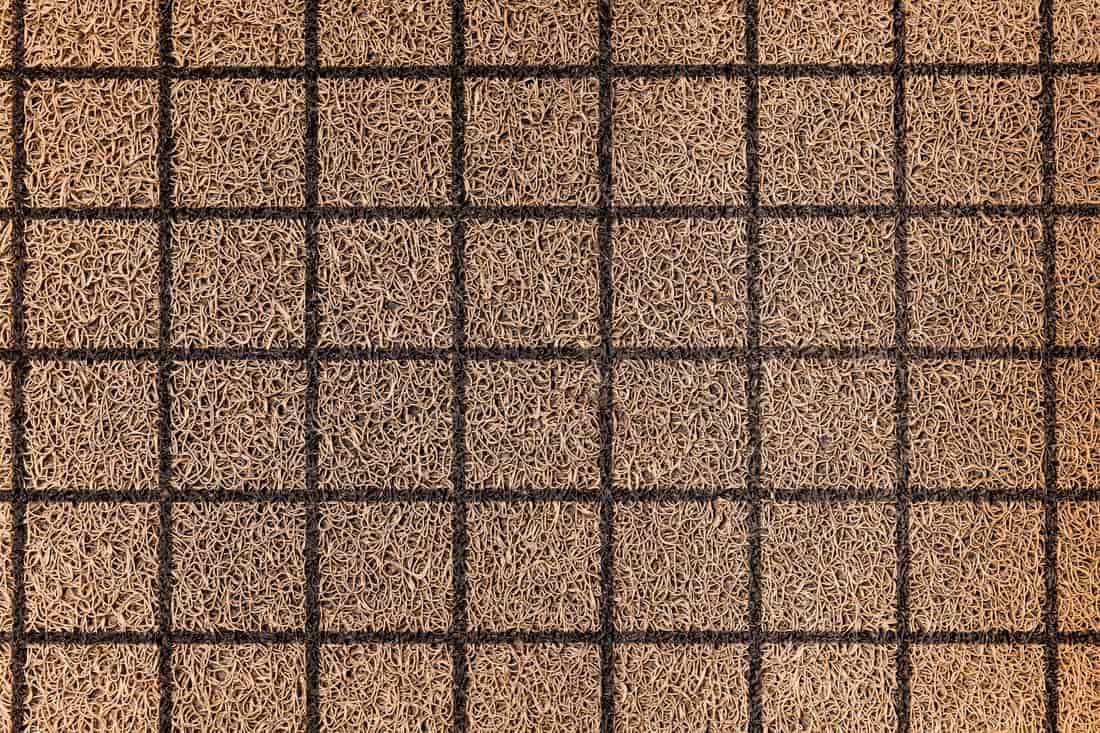
Every mat listing sells you the top surface and says one word about the underside: non-slip. That word is unregulated, undefined and printed on almost everything. Non-slip backings explained sets out what is actually under these mats - TPR, TPE, SBR rubber, or in the case of coir nothing at all - which floors each maker is willing to name, why rubber-backed mats carry a caveat on vinyl, and the one figure none of them publishes.
The material and cleaning guides
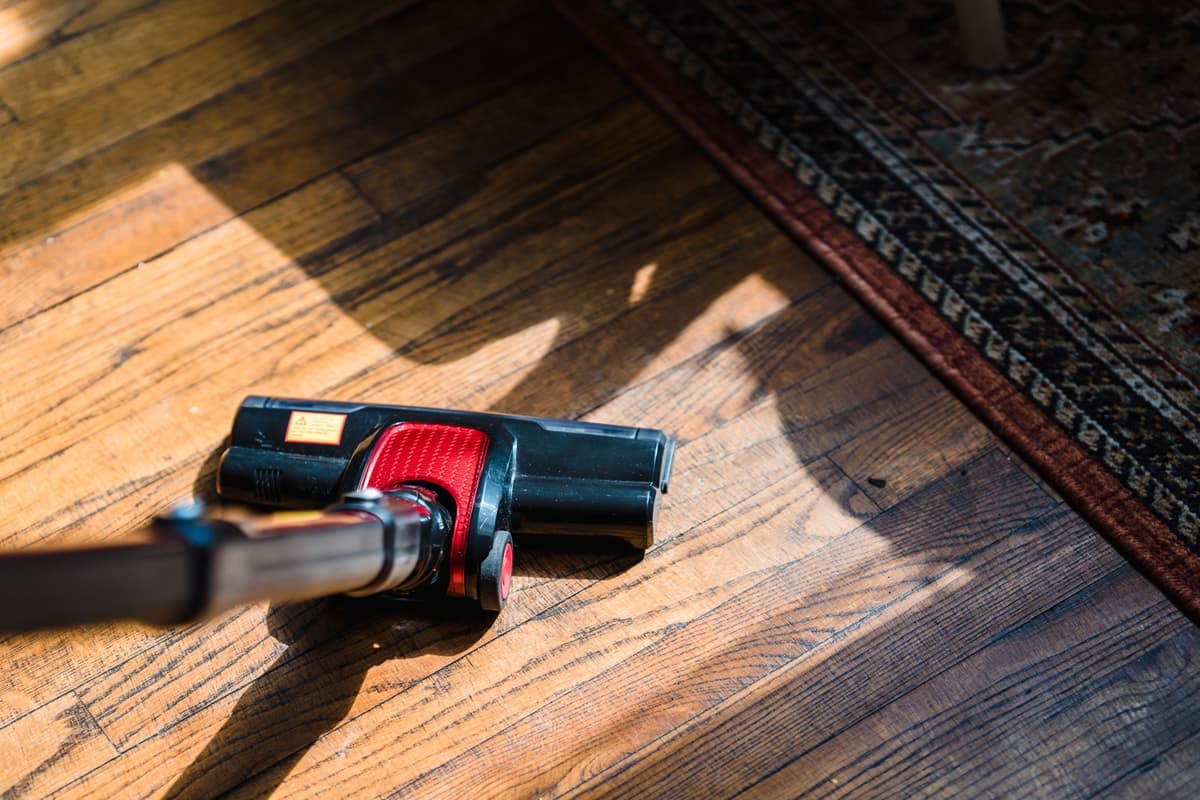
Mats for hardwood floors deals with the thing that actually damages a floor, which is standing water and not dirt - including the mat itself as a source of it. How to clean a doormat and how to clean a coir doormat split by material because the procedures are genuinely different: chenille is a laundry problem and coir must never see a washing machine.
Across all of them the same two axes recur, because they are the axes this buyer actually judges on: can I clean it, and what does it look like after fifty washes. Appearance is not ignored - the mat still has to be acceptable in a hallway - but it is never the lead argument here.
What these guides will not do
They will not tell you how a product performed in our hands, because we have not had any of them in our hands. Everything here is compiled from published manufacturer specifications, published care guidance, building-trade standards and commercial matting industry guidance, and each guide carries its sources at the bottom. Where a figure is widely repeated but we could not trace it to a primary publication, we say that explicitly rather than passing it along. How we pick sets out the full method.
If you are buying from scratch
The guides above explain how each stage works. Entryway starter kit answers the question they leave open, which is what to actually buy and in what order when the budget arrives in pieces - five items ranked by how much dirt each one stops per dollar and per inch of floor, plus the three upgrades worth deferring until the basics are in.