Mats and trays deal with what is on the shoe. Storage deals with the shoe itself, and it is the stage most households skip - which is why the mat is doing its job perfectly and the hallway still looks like a disaster.
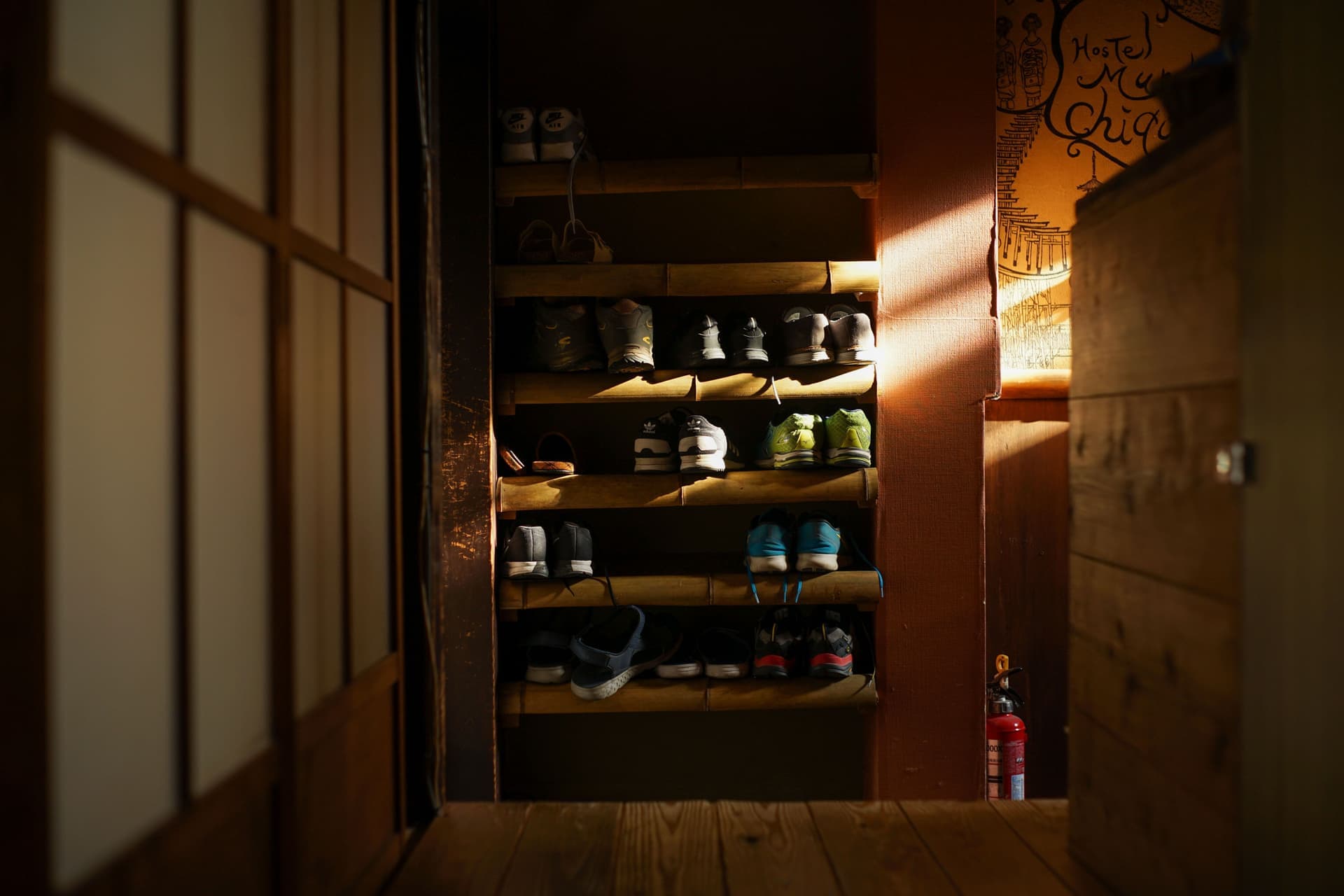
There is also a functional reason this stage matters and not just a cosmetic one. Shoes left in a heap by the door do not dry. They sit sole-to-sole in a damp pile, and a damp pile in an unventilated hallway is where entryway smell comes from. Storage that lets air at the shoes is doing dirt-defense work, not decorating.
The number a bench must have
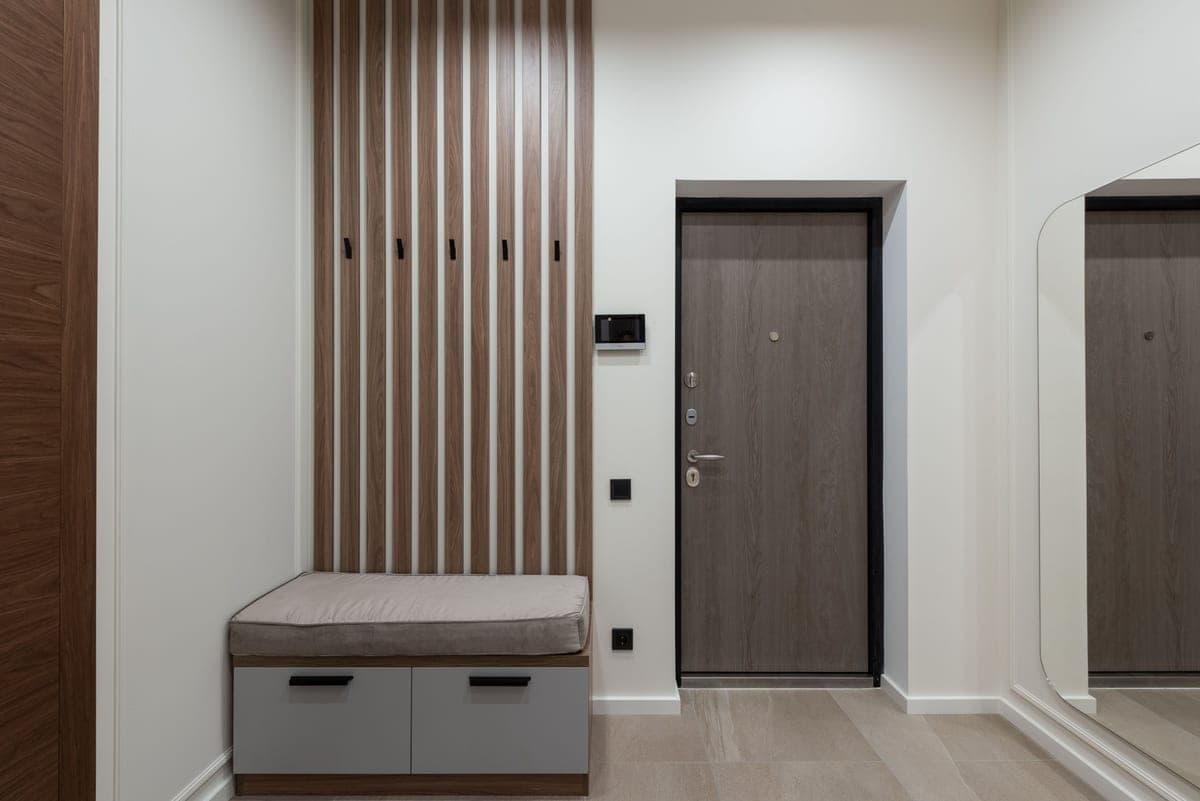
Most furniture sold as a shoe bench is a shoe rack with a flat top, and the distinction is not pedantic. A bench exists so somebody can sit down to take wet boots off, because sitting down is the behavior change that actually determines where the boots end up. A rack with a flat top will hold a bag and will fail the first time an adult drops onto it.
The specification that separates the two is the published static load rating, and it is startling how many makers decline to state one. In our set, SONGMICS publishes 286 pounds for its bamboo bench and 350 pounds for the cushioned model. Simple Houseware publishes nothing at all for its bench. When the specification that defines the product category is the one the maker omits, that omission is the finding - it is why that bench is our explicit skip-this in the bench roundup.
Depth is the constraint, not width
A hallway that can still be walked down usually has under twelve inches of spare depth, and most shoe furniture is fifteen or more. That single measurement rules out most of the category before style enters the conversation. The narrow flip-drawer cabinets solve it geometrically - shoes sit at an angle inside a shallow tipping panel rather than flat on a deep shelf - and get down to 9.4 inches, which fits where nothing else does.
The cost of that geometry is honest and worth knowing up front: boots do not fit in a flip drawer. VASAGLE rates its narrow cabinet at fourteen to sixteen pairs up to about a US 11, and winter boots are simply out of scope. If boots are the problem you are solving, you want open shelving or a tray, not a cabinet - see best narrow shoe cabinets for where the line falls.
Closed storage traps damp
This is the trade at the heart of the whole category and nobody selling furniture will mention it. A closed cabinet hides shoes, which is usually why people buy one. A closed cabinet also seals moisture in around them, and a wet shoe in a sealed cupboard stays wet and starts to smell.
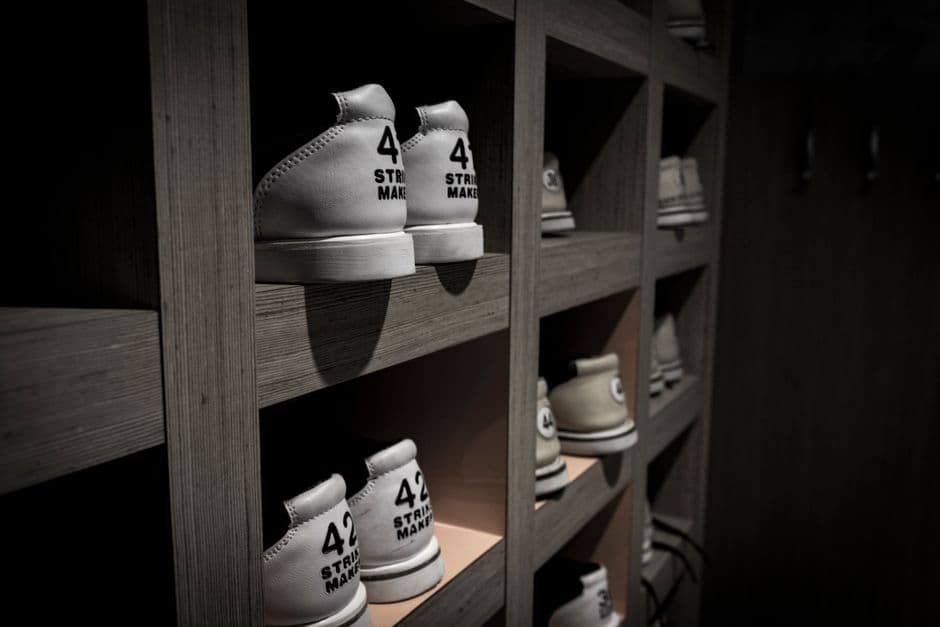
Open shelving is the opposite on both counts: it dries shoes properly and it hides nothing. There is no product that does both, and any review claiming otherwise has not thought about it. The correct answer is a sequence rather than a product - contain the wet in a tray, let it dry there or on an open shelf, and put only dry shoes into closed storage. That sequence is the entire argument of our layered defense guide.
Three things a shoe rack does not solve
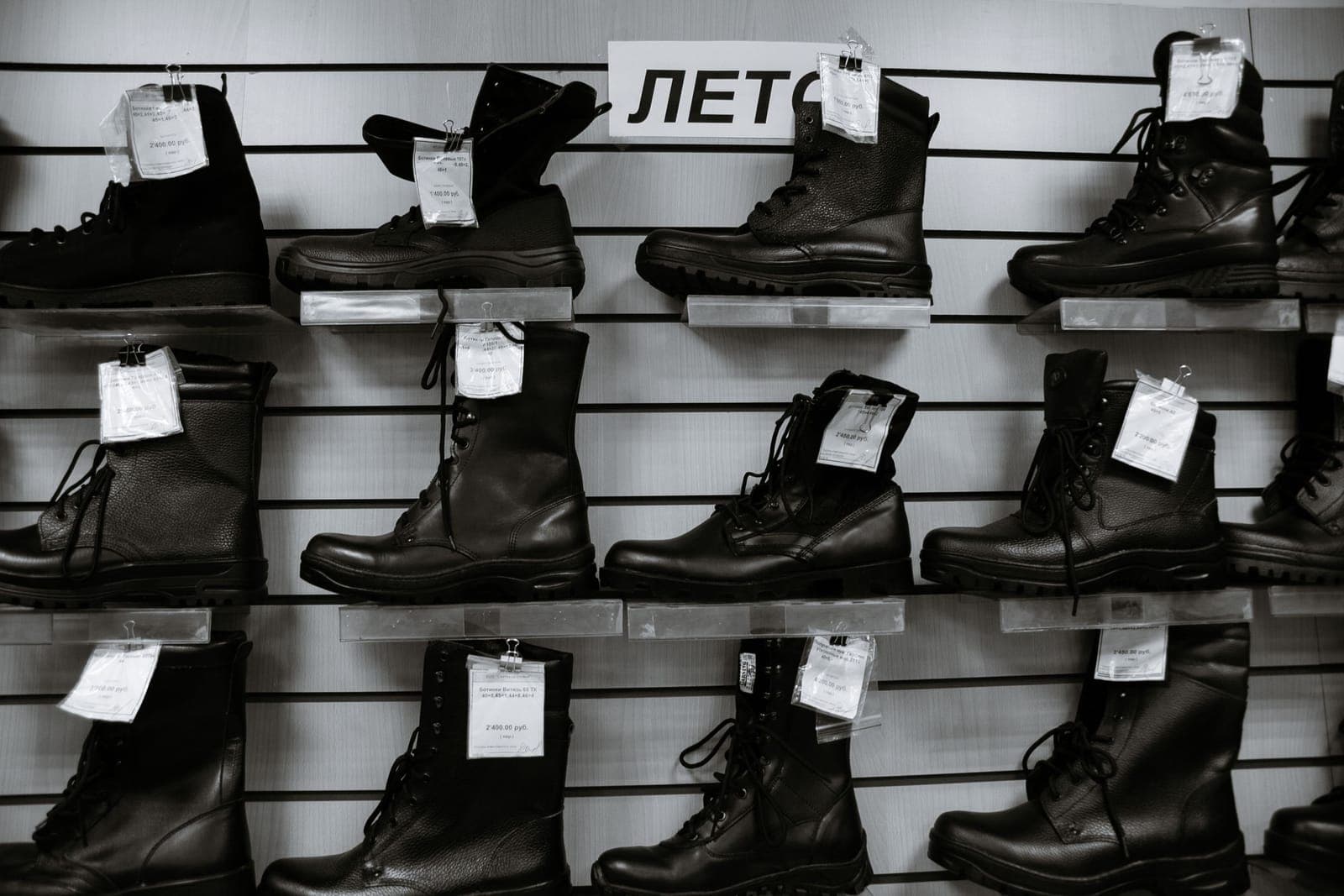
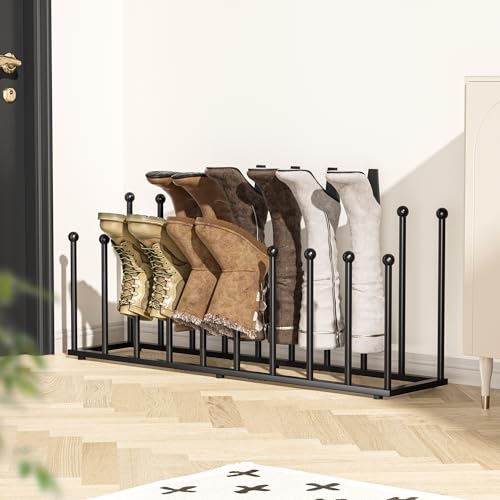
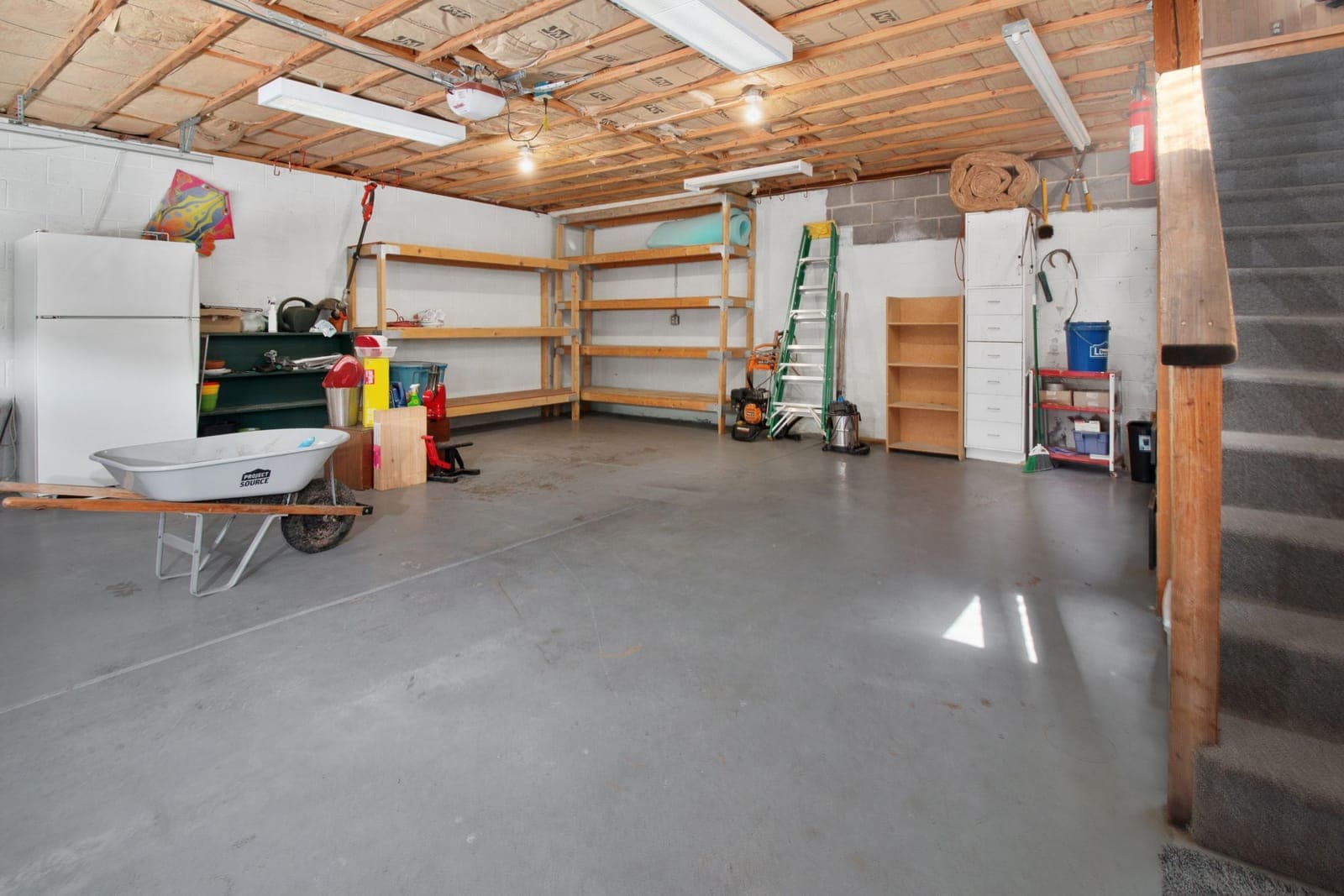
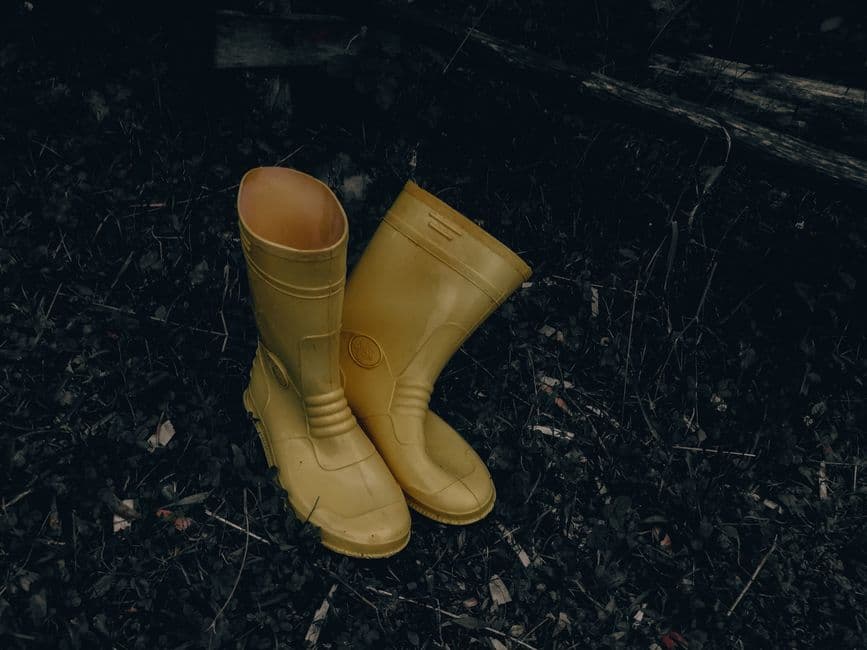
Tall boots damage themselves in storage: stood on a shelf the shaft folds at the ankle and keeps the crease, which is why boot racks hold them inverted on poles instead. If the real entrance is the door from the garage, the furniture has to survive condensation and driveway grit, and best garage shoe storage works through what does. And the wettest object that comes through any door is not a boot - it is an umbrella, which needs a stand with a removable drip tray rather than a decorative tube.
Two situations this hub answers separately
If the entry is small, depth is the only dimension you are actually short of - height is free, because nobody walks through the air above the shoes. The small-space picks rank on published footprint first and set each one against a real corridor width. If the entry is a corridor with one usable wall, a hall tree puts the bench, the hooks and the shoe storage on that single wall - and the hall tree roundup ranks them on the published bench load rating, which is the one number that says whether the furniture does its main job.
The wet coat is the thing that leaves the entryway
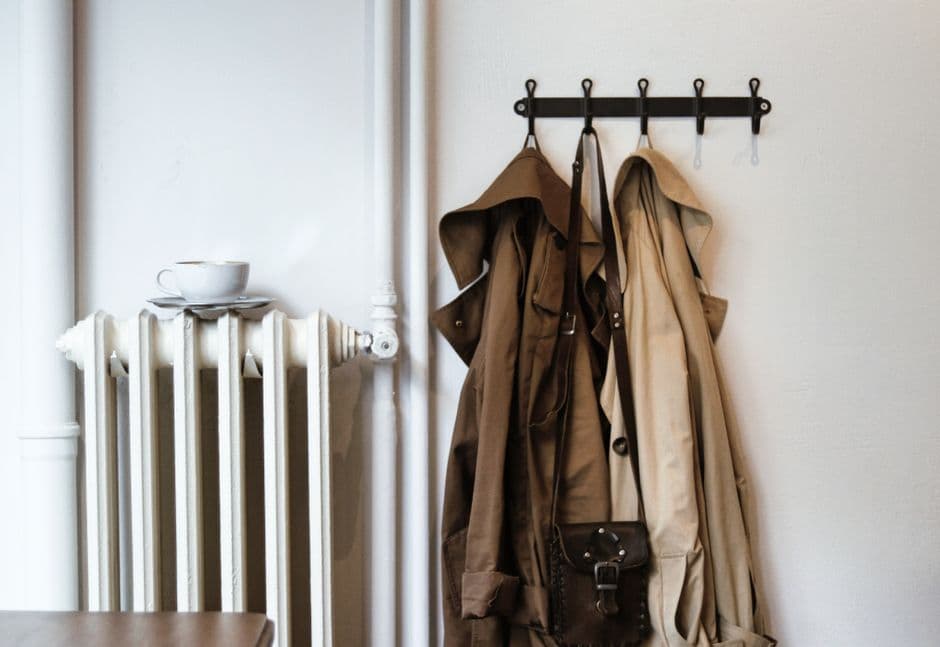
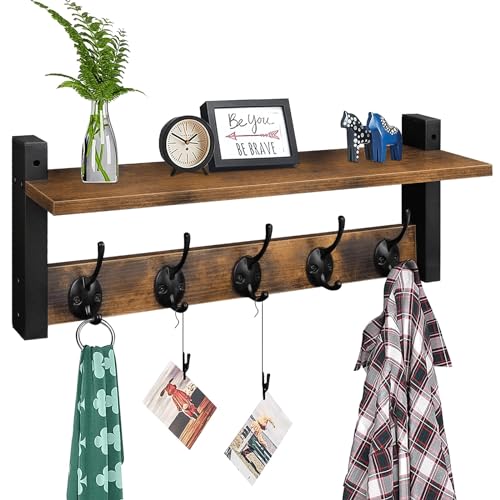
Shoes stay by the door because they are on your feet when you arrive. Coats do not: when the hook is full, a wet coat goes on a chair, a banister or a bed, and the water goes with it. A wall rack is the cheapest storage on this hub and the one that most often decides whether outerwear dries where a mat can catch the drips. Best entryway coat racks ranks the wall-mounted options on published load, width per hook and depth off the wall, and explains why a hanging rod dries a wet coat better than any number of hooks.
Anchor the tall ones
Tall, shallow and top-heavy is the exact geometry that tips, and this category is full of it - a 40-inch cabinet at 9.4 inches deep, a 54-inch cabinet at the same 9.4 inches, a 73-inch rack at 12.6 inches. VASAGLE includes an anti-tip wall-mount kit in the box on both of its cabinets here, which is the right call and makes it likely you will actually fit it. Fit it. This matters more in a house with small children, where a flip drawer swinging open at the top is a handle at exactly the wrong height.
Four more shapes this hub now covers
Shoe storage is not one product category, and four of the shapes people actually buy sit outside the bench-cabinet-rack triangle. Best over-door shoe organizers covers the only storage that costs no floor at all, judged on how far it projects from the door. Best outdoor shoe storage is for the pair that should never come inside. Best shoe cubby benches applies the one-slot-per-person rule to the seat itself. And best entryway tables with shoe storage is the answer when you want a surface at waist height as well as a shelf underneath.
The shape that uses no floor at all
Everything above stands on the floor of an entry that is usually short of it. Best wall-mounted shoe racks covers the one format that does not - flip-drawer cabinets and floating shelves that fix to the wall instead. It is ranked on the specification the category mostly hides, which is the published weight capacity: two of the six listings we read state one, and the cabinets weigh 25 to about 40 pounds empty before a single shoe is added to the fixings.
Questions people ask
+How deep does entryway shoe storage need to be?
Under twelve inches for most hallways, and the narrow flip-drawer cabinets get down to about 9.4 inches. Measure the walkable width you have left after the furniture goes in, not just the wall it sits against.
+What kind of coat rack works best in a small entryway?
A wall-mounted shelf rack about four and a half inches deep, chosen on its published load and on how much wall each hook gets rather than on the hook count. If coats arrive wet most days and the wall is not in a walkway, a rack with a hanging rod dries them better. The ranked picks are in best entryway coat racks.
+Bench, cabinet or rack - which should I buy?
A bench if the household needs somewhere to sit down to take boots off. A cabinet if the visible pile is what is bothering you and the shoes are dry. A rack if you simply need capacity and do not mind seeing it. Our bench vs cabinet vs rack comparison works through the decision.
+Can I put wet shoes in a closed shoe cabinet?
No. Closed storage seals moisture in and that is how a hallway starts to smell. Wet shoes go in a tray or on an open shelf until dry, and only then into a cabinet.
+Do shoe benches actually hold an adult's weight?
Only the ones with a published static load rating. SONGMICS publishes 286 lb for its bamboo bench and 350 lb for the cushioned model. Several competing benches publish no figure at all, and an unrated bench should be treated as a rack with a soft top.