
By Scooter M. · Last updated August 31, 2026
Mud & Mat earns a commission when you buy through the links on this page, at no extra cost to you. It does not change what we recommend, and we publish a skip-this verdict on products we could otherwise earn from. Full disclosure.
There are paw prints down the hallway and the mat by the door is not stopping them. That is not usually a bad mat - it is a mat that is too thin, too short, or in the door swing where the deep ones cannot go.
A dog is a harder problem than a person, and precisely why is worth stating: four contact points instead of two, no instinct to wipe, no pause at the threshold, and water held in the fur between the pads as well as on them. By the time a dog is three strides in, most of what it carried is already on the floor.
Quick picks
Ranked against the criteria below. Tap a row to jump to the full write-up; the price button goes straight to Amazon.
| # | Product | Best for | Score | Price |
|---|---|---|---|---|
| 1 | 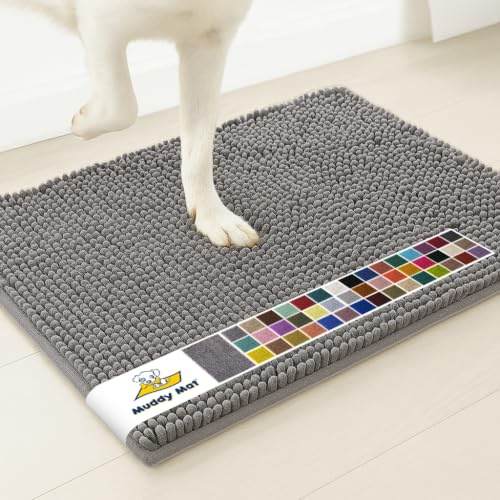 Muddy Mat Original Absorbent Door Mat A one-inch chenille pile the maker says absorbs five times its own weight | Wet dog paws | 8.5/10 | $22.70 - View on Amazon #ad affiliate link · Price as of October 19, 2026 |
| 2 |  Dog Gone Smart Dirty Dog Doormat The only mat here that publishes a measurable absorbency figure | Fastest drying turnaround | 8.7/10 | |
| 3 |  Soggy Doggy Microfiber Chenille Doormat Published fiber blend, published noodle length and an extra-large 36x60 size | Big dogs and big spaces | 8.6/10 | $43.99 - View on Amazon #ad affiliate link · Price as of October 19, 2026 |
| 4 |  Gorilla Grip SoakSTOPPER Indoor Doormat Dense chenille on a thermoplastic rubber backing that the maker says is third-party tested for repeated wash-and-dry cycles | The default indoor mat | 8.8/10 | $29.99 - View on Amazon #ad affiliate link · Price as of October 19, 2026 |
| 5 |  OLANLY Dog Door Mat for Muddy Paws The cheapest chenille dog mat we cover, with a published profile of about an inch and a TPR backing | A cheap second mat | 7.0/10 | |
| 6 |  Smiry Natural Rubber Front Door Mat A competent low-profile rubber scraper at a lower price than the name brands, with the specification transparency to match the price Our skip-this pick | Budget outdoor scraper | 6.4/10 |
Wet dog paws
Muddy Mat Original Absorbent Door Mat
A one-inch chenille pile the maker says absorbs five times its own weight - the deepest-pile mainstream option, and the one that most often will not clear a door.
Muddy Mat is the brand most people in this category have already heard of, and the demand data agrees - it is the single highest-volume product query in the entryway-mat space. The reason it earns that position is the pile. The maker states roughly a one-inch chenille layer that soaks up to five times its own weight, and depth is genuinely what separates a mat that holds a wet dog from a mat that smears one down the hall.
That same inch is the reason this mat needs a placement decision rather than a purchase decision. A standard interior door is hung with roughly half an inch to three-quarters of an inch of clearance above the finished floor. A one-inch pile does not fit under that. It will compress a little, and it will still catch. If the mat is going behind an inward-opening door, this is the wrong mat and no amount of liking it changes the arithmetic - put a low-profile mat at the swing and put this one just past it.
Where it belongs is the strip immediately inside the door, past the swing, or in a mudroom where the door opens outward. That is also where a wet dog actually shakes. The 60 by 24 inch runner is the size worth considering for a dog household: paw prints are not a doorway problem, they are a first-four-strides problem, and a 28-inch mat gets you one stride.
Cleaning is straightforward but has one rule people skip: shake or hose the mat before it goes in the machine. Chenille holds grit as effectively as it holds water, and washing a mat still full of dry mud puts that mud into your drum and back into the pile. Drying is the other honest limitation - a one-inch pile takes meaningfully longer to dry than a quarter-inch one, so a single mat in a two-dog household will spend part of its week damp. Two mats in rotation is the practical answer, and it is cheaper than a replacement floor. See our dog and paw mat picks for the full comparison.
What works
- The deepest published pile in this comparison - it holds a genuinely wet dog
- Runner size covers the first strides after the door, where paw prints actually land
- Machine washable, so the mud leaves rather than accumulating
What does not
- A 1-inch pile will not clear a standard interior door undercut - a placement decision, not a preference
- Deep pile takes noticeably longer to dry than a low-profile mat
- Needs shaking out before washing or the mud goes into your machine
Fastest drying turnaround
Dog Gone Smart Dirty Dog Doormat
The only mat here that publishes a measurable absorbency figure - 3000 GSM - instead of a marketing multiple, and it dries fast enough to be usable twice in a day.
Grams per square meter is the figure this category should be using and almost never does. Dog Gone Smart publishes 3000 GSM for the Dirty Dog Doormat and states that competing mats sit in the 900 to 1500 GSM range. Treat the comparison as the maker's framing rather than an independent test - but the number on their own product is a specification, and a specification is checkable in a way that super absorbent is not.
Density is also the more honest measure of absorbency than pile height. A deep but sparse pile holds less water than a shallow dense one. The claim that follows from 3000 GSM - roughly seven times its own weight in water and mud - is at least arithmetically consistent with the density figure, which is more than can be said for most claims in this category.
The specification that actually changes daily life, though, is drying speed. The maker claims five times faster than an ordinary mat. Drying speed is what determines whether one mat covers a household or you need two in rotation, because a mat that is still damp at four in the afternoon is a mat that does nothing for the second walk. In a wet climate with more than one dog, this is the single most valuable property a mat can have, and it is the reason this one is here despite the price.
The gap is clearance. No pile height is published anywhere we could find, and a 3000 GSM microfiber mat is not going to be thin. If it is going behind an inward-opening door, assume it will not fit and plan the placement past the swing - or use our door clearance guide to pick a thinner mat for that specific spot and put this one where it can work properly.
What works
- 3000 GSM is a real, checkable density figure, not a marketing multiple
- Drying speed is the spec that decides whether one mat is enough for your household
- Thermoplastic rubber backing survives washing better than PVC or glued backings
What does not
- No published pile height, so door clearance is unknowable before it arrives
- The 900-1500 GSM competitor comparison is the maker's own framing, not an independent test
- Sits at the top of the price band for this size class
Big dogs and big spaces
Soggy Doggy Microfiber Chenille Doormat
Published fiber blend, published noodle length and an extra-large 36x60 size - the most transparent spec sheet of any paw mat here, and the maker admits the pile compresses under a door.
Soggy Doggy publishes the thing everyone else hides: an 80 percent polyester, 20 percent polyamide microfiber chenille blend, with one-inch noodles. That blend matters. Polyamide is the component that actually pulls water rather than pushing it around, and a mat that tells you the ratio is a mat whose maker expects to be checked. In a category where seven of eight competing publishers state no specification of any kind, that is worth a lot.
The maker also says something most brands would leave out - that the noodles compress if the mat is placed a few inches from the door frame. That is an honest way of describing a door-clearance problem, and it is the correct read. A one-inch pile against a half-inch to three-quarter-inch door undercut does not clear; it compresses, drags, and eventually the door wins.
The size range is where this earns its place over cheaper chenille. The extra-large is 36 by 60 inches. That is five feet of walk-off, which is the length at which a mat stops being a doormat and starts being an entry system. The commercial matting trade sizes entry zones at ten to fifteen feet of total walk-off to stop the large majority of tracked-in soil; a domestic entryway is never going to get there, but five feet gets you two to three full strides instead of one.
Practical warning on the XL: 36 by 60 inches of saturated chenille is a heavy, bulky wash load, and a standard domestic top-loader will struggle to agitate it properly. If you buy the XL, plan on a front-loader, a laundromat trip, or hosing it down outside and drying it flat. The mat is machine dryable, which helps - but a mat you cannot realistically wash is a mat that stops absorbing.
What works
- Publishes the actual fiber blend - almost unheard of in this category
- 36x60 inch XL is genuinely large enough to be a walk-off zone, not a doormat
- Machine dryable, which shortens the turnaround in a wet week
What does not
- The 1-inch noodle pile has the same door-clearance problem as every deep mat
- The XL size is a serious load in a domestic washing machine
- Priced above the generic chenille mats it competes with on absorbency
The default indoor mat
Gorilla Grip SoakSTOPPER Indoor Doormat
Dense chenille on a thermoplastic rubber backing that the maker says is third-party tested for repeated wash-and-dry cycles - the failure point that kills most washable mats.
This is the mat most households should start with, and the reason is the part nobody photographs: the backing. Gorilla Grip publishes a specific claim about it - a thermoplastic rubber backing that it says has been third-party tested to survive being washed and dried repeatedly, and it explicitly contrasts that with the PVC and hot-glue backings used elsewhere. That is the correct thing to make a claim about. A chenille mat's absorbency barely changes over its life; what changes is whether the backing is still flat and still gripping after the tenth wash.
The care label is strict and worth obeying literally: machine wash cold, tumble dry low, no bleach, no dry clean, and - the one people ignore - no fabric softener. Softener coats microfiber and is the single fastest way to turn an absorbent mat into a mat that pushes water around. If your household washes everything with a softener sheet in the drum, this mat will underperform and it will not be the mat's fault.
Size is the other reason it leads. Six sizes run from a 24 by 17 inch doormat up to a 70 by 24 inch runner, which means the same product can cover a single back door or the whole first three strides of a hallway. Walk-off distance is the variable that actually determines how much dirt gets stopped - the commercial matting industry sizes entry systems in feet of walk-off, not in mats - so being able to buy length matters more than most spec sheets suggest.
The catch is clearance. Gorilla Grip does not publish a pile height for this mat, and a dense chenille pile is not a low-profile pile. If it is going behind an inward-opening door with a standard half-inch to three-quarter-inch undercut, measure first - see our door clearance guide. The maker also states this is indoor only and specifically not recommended for concrete, which rules out the garage-door and unfinished-basement placements people often want it for.
What works
- Backing is the part the maker actually stakes a claim on - most mats fail there first
- OEKO-TEX Standard 100 tested for harmful substances
- Six sizes including a 70-inch runner, so one product covers a hallway
What does not
- No published pile height, which matters if your door clearance is tight
- Indoor only - the maker specifically warns against concrete
- Fabric softener will destroy the absorbency; the care label is strict
A cheap second mat
OLANLY Dog Door Mat for Muddy Paws
The cheapest chenille dog mat we cover, with a published profile of about an inch and a TPR backing - and the only mat on its pages that publishes no absorbency figure at all.
This is the budget entry on every page it appears on, and it earns its place on price and backing rather than on published performance. Nine dollars buys a 30 by 20 inch chenille mat with a textured thermoplastic rubber backing, which is the backing that survives the washing machine - our non-slip backing guide sets out why that matters more on a dog mat than on any other mat in a house, because a dog mat gets washed several times more often than a doormat does.
OLANLY also states OEKO-TEX STANDARD 100 certification for the chenille. That is a third-party textile-safety certification rather than a performance claim, and it is more than most mats in this price band offer.
What it does not do is tell you how much water it holds. Every rival on the pages where this mat appears publishes something - a GSM figure, a multiple of its own weight, a water capacity - and this listing publishes none of the three. On a page about absorbency that is a real gap, and it is why this is the mat we tell you to skip when soaking up water is the actual job.
Note the profile, too, because it has changed what this mat is for. OLANLY states a streamlined profile of approximately one inch, which is a plush mat rather than a thin one: it will not slide under an inward-opening door, and it belongs past the swing. If door clearance is the binding constraint, the brand's own low-profile indoor mat is the one to buy instead, and it publishes a real figure.
What works
- The cheapest way onto this site's list of chenille mats, and cheap enough to own two so one is always in the wash
- Textured TPR backing rather than latex, which is the backing that survives repeated machine washing
- States OEKO-TEX STANDARD 100 certification for the chenille, which is a third-party textile claim rather than a self-assessed one
What does not
- Publishes no absorbency figure of any kind - no GSM, no multiple of its own weight, no water capacity
- At a stated approximately 1 inch it no longer clears a standard interior door gap, so it belongs past the swing
- Approximately is the maker's own hedge on the only dimension it publishes about the pile
Budget outdoor scraper
Smiry Natural Rubber Front Door Mat
A competent low-profile rubber scraper at a lower price than the name brands, with the specification transparency to match the price - which is to say, not much.
Skip this one
Skip this one unless price is the deciding factor. It is not a bad mat - it is an unspecified one. Smiry publishes no thickness, no rubber grade and no durability testing, which means the only thing you can actually compare it on is price. Gorilla Grip's WeatherMAX costs a little more and at least tells you it is stain and fade resistant natural rubber; WaterHog costs more again and publishes both its thickness and its fabric weight. In a category where the failure mode is a mat going stiff and chalky after one summer of UV, buying the option that makes no durability claim at all is a gamble you are taking on purpose.
This is the mat we would not buy, and it is on the list because a roundup where everything wins is an advertisement rather than a comparison.
There is nothing wrong with it. It is natural rubber, it is low profile, it traps dirt and moisture in the way rubber mats do, and it hoses clean. If you bought it you would probably be fine.
The problem is that Smiry publishes nothing you can check. No thickness, so you cannot answer the door-clearance question before it arrives. No rubber grade or UV treatment, so you cannot predict whether it survives a summer. No durability claim of any kind, which in a category whose characteristic failure is exactly durability - rubber going chalky, stiff and brittle - is the specification that matters most.
Compare that with the alternatives at close to the same money. Gorilla Grip states stain and fade resistance on the WeatherMAX. WaterHog publishes thickness, fabric weight and construction. Kempf publishes coir thickness to the inch. Buying the unspecified option saves a few dollars and costs you the ability to tell whether you bought the right thing until a year has passed. That is the trade, stated plainly; if you take it knowingly, that is a legitimate choice.
What works
- Genuinely cheap for a natural rubber mat
- Hoseable, like every rubber mat, which is the easiest cleaning routine there is
- Low profile enough for most door swings
What does not
- No published thickness, no published rubber grade, no published durability claim
- One size only
- Nothing here that the better-specified rubber mats do not do better
How we picked
- Pile depth, because a paw has to sink into fiber to be dried by it. Muddy Mat and Soggy Doggy both publish roughly one inch, which is the depth at which a paw is genuinely enveloped rather than just touched.
- Published density in GSM where it exists. A deep sparse pile holds less than a shallow dense one. Dog Gone Smart publishes 3000 GSM; nobody else here publishes a density figure at all.
- Drying speed. The spec that decides whether one mat covers your household. A mat still damp at four in the afternoon does nothing for the second walk of the day.
- Length over width. Paw prints are a first-four-strides problem, not a doorway problem. A 28-inch mat catches one stride of a dog's gait; a 60-inch runner catches two or three.
- Realistic washing. Chenille holds dry grit as well as water, so shaking before washing is mandatory - and a 36 by 60 inch saturated mat will defeat a standard top-loader.
We have not physically tested these products. We do not own them, we have no lab, and we do not accept free product. Everything above is compiled from published manufacturer specifications, published care guidance and live retailer data - and we tell you which is which on every claim. How we pick.
The placement that makes any of these work
Buying the deepest mat and putting it in the door swing is the standard mistake, and it defeats the purchase. A one-inch pile against a half-inch to three-quarter-inch door undercut does not fit; it compresses, drags, and the door wins.
Soggy Doggy is unusually straightforward about this and states outright that the noodles compress if the mat sits a few inches from the frame. The layout that works is two mats: something thin at the swing, and the deep mat immediately past it where the door no longer applies. Our door clearance guide has the published thicknesses against the real gap.
Published thickness vs the door gap
A standard interior door is hung with roughly 0.5 in to 0.75 in of clearance above the finished floor, and NFPA 80 caps a fire-rated door's undercut at 0.75 in. Every figure below is a manufacturer- or retailer-published specification. Nothing here is estimated, and “Not published” means the maker states no thickness at all.
Measure your own gap rather than trusting the range - flooring gets replaced and doors get rehung. A US quarter is about 0.069 in thick, so a stack of four is roughly 0.28 in. Full workings in low-profile mats and door clearance.
Two mats, not one - and this is a rotation argument
A deep chenille mat that has absorbed a wet dog is wet. In a cool hallway it will still be damp several hours later, and a damp mat absorbs almost nothing. In a two-dog household, one mat is structurally insufficient no matter how good it is.
The practical answer is two mats in rotation - one at the door, one drying. That is cheaper than most people expect and dramatically more effective than upgrading to a more expensive single mat. It is also why we rank a cheap mat sold as a bundle higher than its specification alone would justify.
What a mat cannot do
It cannot get mud out from between the pads. A mat dries the underside of a paw; it does not clean inside one. If your dog is coming back from a genuinely muddy field rather than a wet sidewalk, the mat is the second step and a paw cleaning mat or rinse is the first.
And it does not by itself protect a wood floor. Standing water is what damages hardwood, and a saturated mat sitting on boards is a source of standing water rather than a defense - see dog mats and hardwood floors.
Mud and water are not the same problem. A dog that arrives soaked rather than caked needs depth and drying turnaround instead of scraping, and we have picked for that case separately in best mats for wet dog paws. If you have narrowed it to the two brands most often recommended here, Muddy Mat vs Gorilla Grip compares what each of them publishes.
On the days somebody is actually standing at the door, a towel out-performs any mat here, because it is applied with pressure to the parts that are wet. Best dog drying towels ranks them on published density and shape, and explains why the multiples makers quote cannot be compared with each other.
What we did not do
We have not put a wet dog on any of these mats. We do not own them, we have no lab, and we do not accept free product. Pile depths, densities, fiber blends and care instructions above are published by the makers and cited on each product. The competitor GSM range Dog Gone Smart quotes is their framing rather than an independent test, and we have labeled it that way. How we pick.
A mat at the door is the first layer for a wet dog and it does nothing for the coat. Best dog drying robes covers the garment version of a drying towel, which keeps working while you deal with your own boots - the window in which a wet dog usually reaches the sofa.
The best known mat in this category gets its own page: our Muddy Mat review covers what the maker actually publishes and the door-clearance problem that comes with a 1 inch pile. The Dirty Dog Doormat review does the same for the one rival that publishes a fabric weight, at 3000 GSM.
Questions people ask
What is the best door mat for dogs with muddy paws?
Will a dog mat fit under my door?
How do I wash a dog mat without wrecking my washing machine?
How many dog mats do I need?
What is the best mat for wet dog paws specifically?
Sources
Next stage
The general case
Once the paws are handled, the same door still has shoes coming through it. Dirt-trapper mats deal with the solid material.
Keep goingAbout the author
Scooter M.
An enthusiast who is genuinely into this. I read the manuals, compile the published specs, and do the math on door clearances. No lab coat, no test bench, and nothing here is a product I have used - which is exactly why every claim carries a source.
Published by Slate Mill Group, with the Mud & Mat team. Published August 31, 2026; last updated August 31, 2026. Editorial policy.
Read next
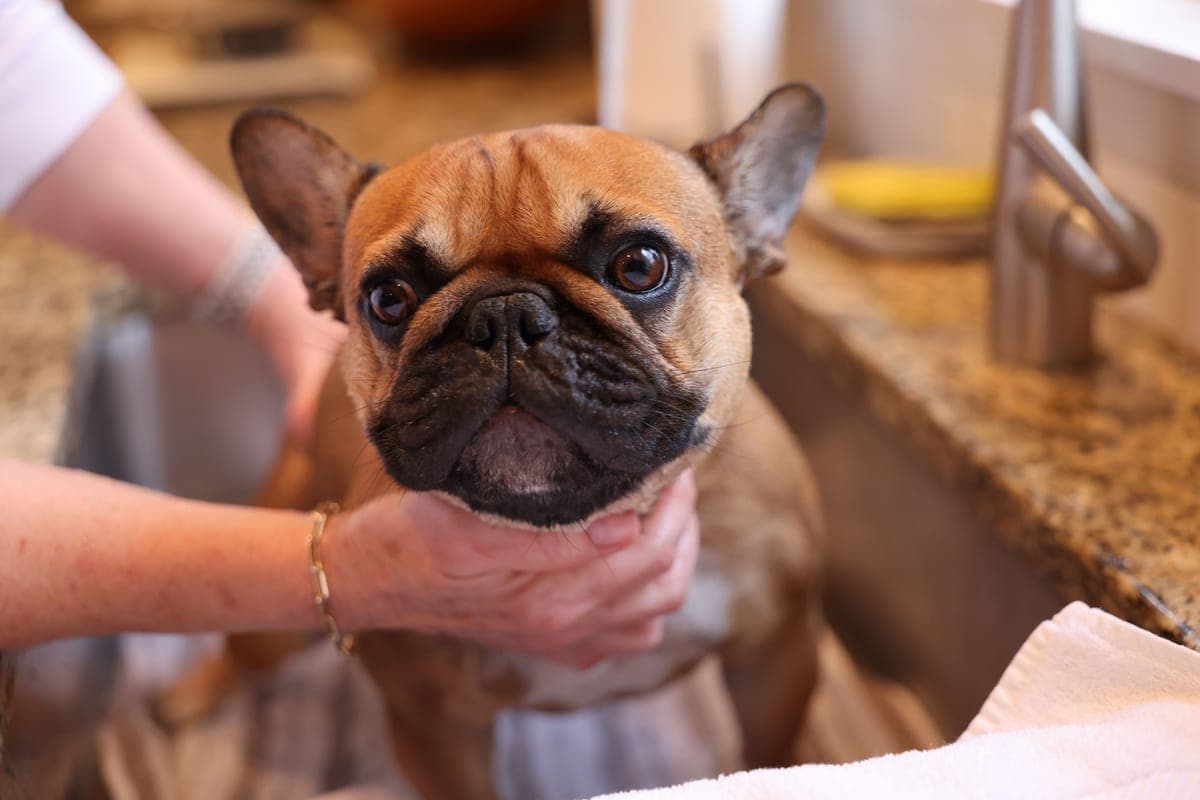
Best for Paw Cleaning
Best paw cleaning mats for dogs
What a paw mat genuinely removes, what it cannot reach, and the order that actually gets a muddy dog clean.

Brand Head-to-Head
Muddy Mat vs OLANLY vs Smiry
Depth vs clearance vs price - the three brands people cross-shop, and the trade each one is actually making.
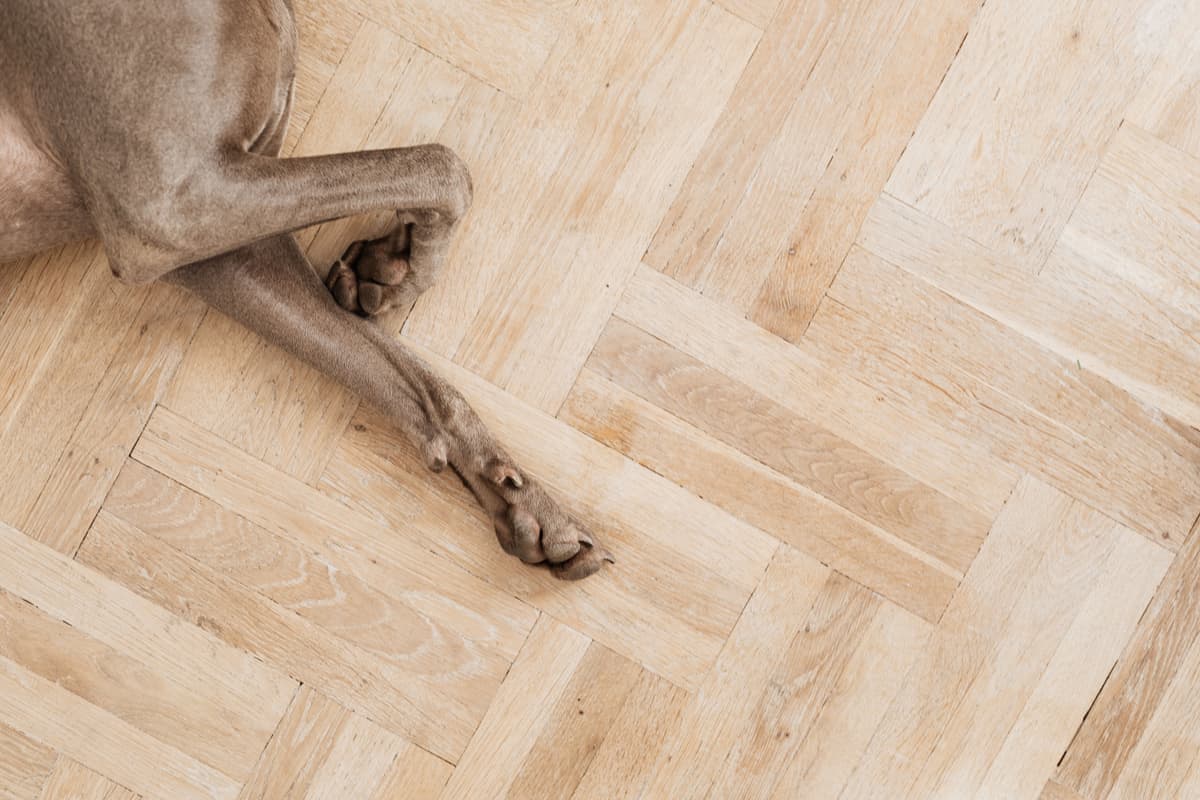
Floor Damage Guide
Dog mats and hardwood floors
Water, not dirt, is what damages wood - and the mat itself is often the thing holding it there.
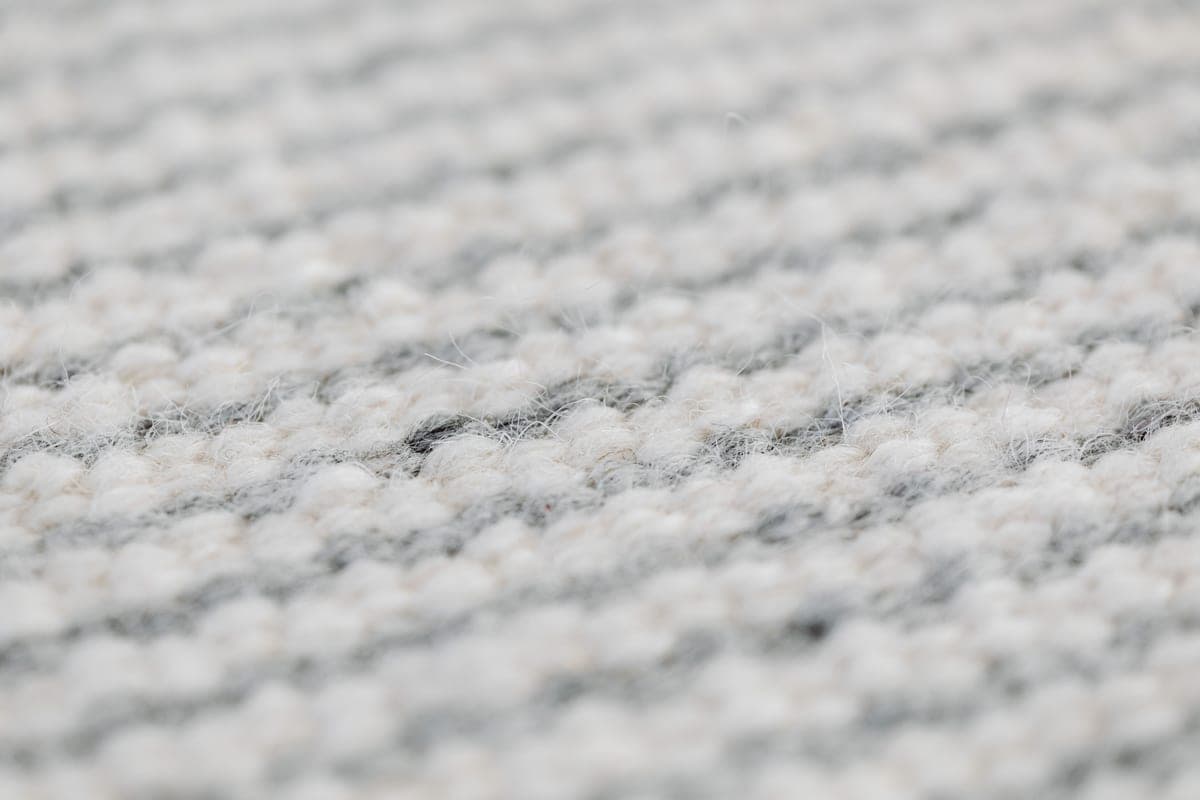
Best Absorbent Mat
Best absorbent chenille door mats
Density in GSM, drying speed and backing durability - the three specs that separate chenille that lasts from chenille that flattens.